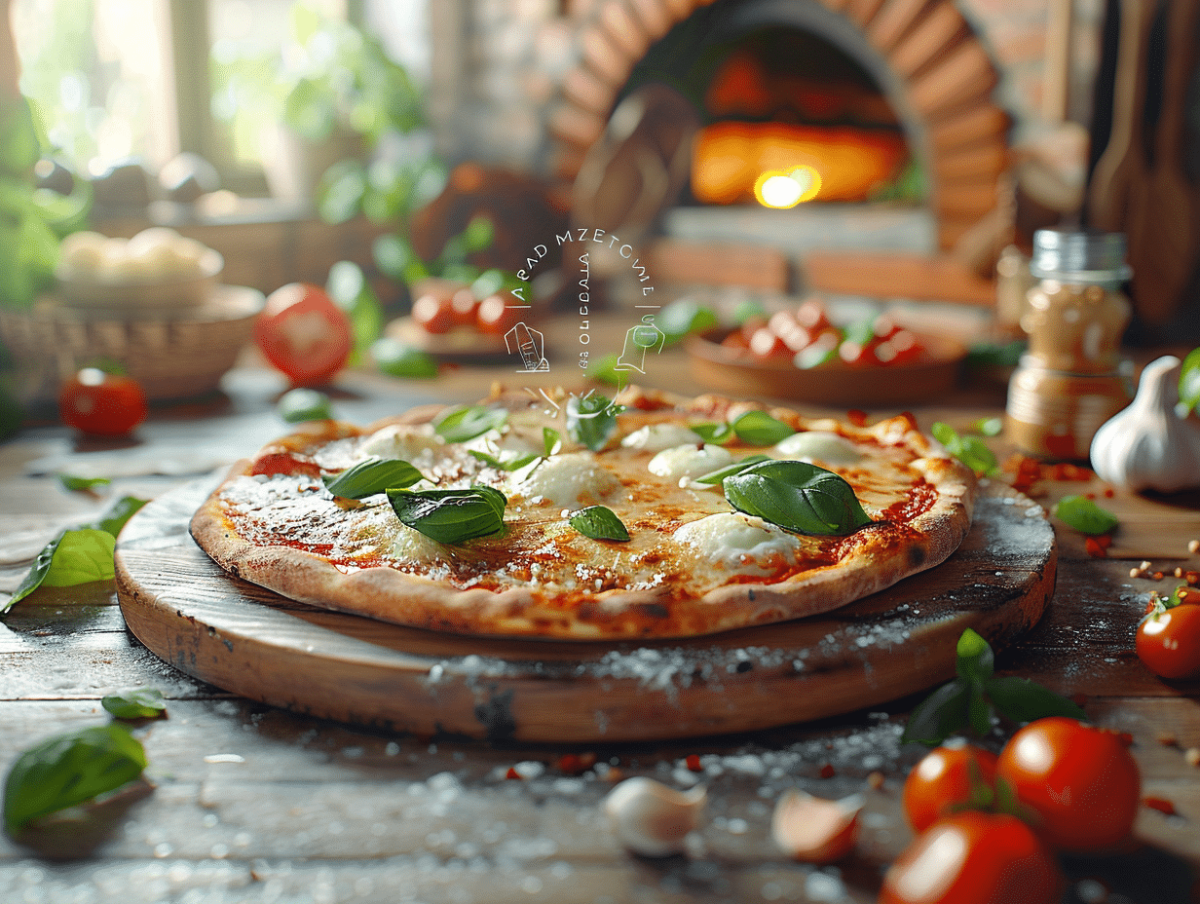
Italy, the cradle of the Renaissance and the arts, is just as famous for its culinary wealth, particularly its pizzas. This dish, simple in appearance, embodies a centuries-old tradition that has perfected over time. The streets of Naples, in particular, resonate with the enticing smell of wood-fired pizzas, featuring fresh, local ingredients.
Each Italian region adds its own touch, from the thin, crispy crusts of Rome to the thicker, fluffier versions of Sicily. The Margherita pizza, with its colors reminiscent of the Italian flag, remains a symbol of this iconic cuisine.
The Origins and Evolution of Italian Pizza
Naples, the birthplace of modern pizza, sees the birth of Pizza Margherita in the 19th century. This iconic dish, simple and flavorful, was created by Neapolitan chef Raffaele Esposito in 1889. He wanted to pay tribute to Queen Margherita of Savoy during her visit to Naples. The colors of the pizza, red (tomato), white (mozzarella), and green (basil), symbolize the Italian flag.
The success of Pizza Margherita does not stop there. It quickly becomes the most consumed pizza in the world, a true symbol of Italian gastronomy. The Italian traveler and man of letters Francesco de Bourcard already mentions the popularity of pizzas in Naples in his 19th-century writings, attesting to the deep-rootedness of this culinary tradition.
Top 7 Types of Pizza
- Pizza Margherita: The most iconic, with tomato, mozzarella, and basil.
- Pizza Marinara: Tomato, garlic, oregano, and olive oil.
- Pizza Quattro Stagioni: Divided into four sections, each representing a season.
- Pizza Capricciosa: Artichokes, olives, mushrooms, ham.
- Pizza Quattro Formaggi: Four varieties of cheese, often including gorgonzola.
- Pizza Diavola: Spicy salami for those who enjoy heat.
- Pizza Napoletana: San Marzano tomatoes, buffalo mozzarella, basil, olive oil.
The pizza continues to evolve, incorporating local ingredients and culinary innovations. This diversity offers a rich and varied panorama, reflecting the many facets of Italian cuisine. To learn more about the different types of pizza, check out this article on the top 7 types of pizza.
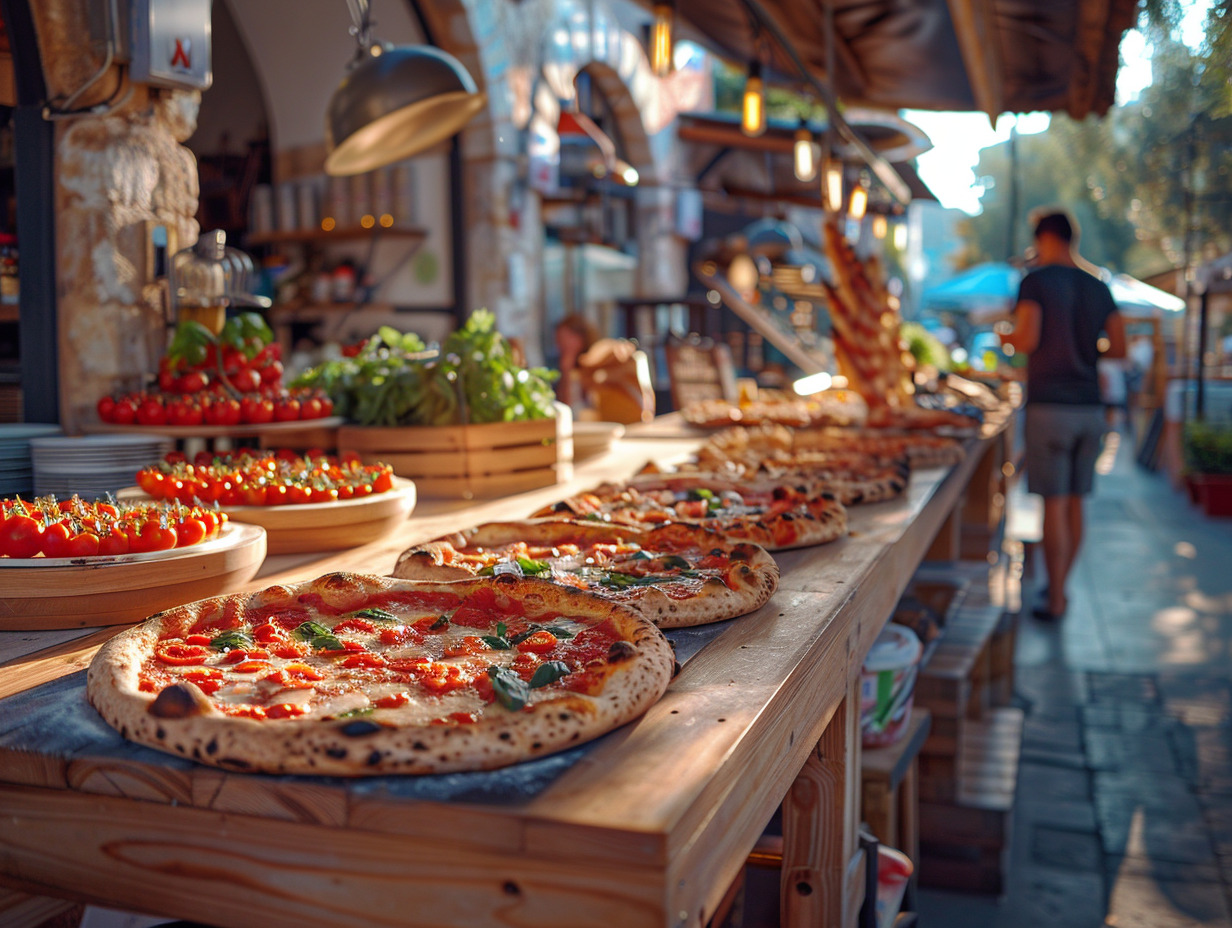
The Different Varieties of Pizzas and Their Regional Specificities
Pizza Napoletana
Pizza Napoletana is the archetype of Italian pizza. Originating from Naples, it is characterized by a thin and fluffy crust, baked at high temperatures in a wood-fired oven. Traditional ingredients include San Marzano dell’Agro Sarnese-Nocerino PDO tomatoes, buffalo mozzarella, fresh basil, and a drizzle of extra virgin olive oil. This pizza has even obtained the STG (Traditional Specialty Guaranteed) certification, recognizing its authenticity and quality.
Pizza Romana
In contrast to its Neapolitan counterpart, Pizza Romana features a thinner, crispier crust. The ingredients vary, but it often includes tomatoes, mozzarella, anchovies, and sometimes capers or olives. The addition of durum wheat flour gives the dough its unique, crunchy, and light texture.
Sicilian Pizza
Sicilian Pizza is distinguished by its thick and fluffy crust, similar to that of focaccia bread. It is usually rectangular and topped with tomato sauce, anchovies, onions, aromatic herbs, and sometimes pecorino cheese. Local variations may include olives, capers, or eggplants, reflecting the richness of local products.
Pizza Quattro Stagioni
Pizza Quattro Stagioni is a true tribute to the diversity of the Italian seasons. Divided into four sections, it is topped with different ingredients representing each season: artichokes for spring, tomatoes and basil for summer, mushrooms for autumn, and ham for winter. This pizza offers a palette of varied flavors in a single culinary experience.
Pizza Capricciosa
Pizza Capricciosa is an explosion of flavors and textures. Topped with artichokes, olives, mushrooms, ham, and sometimes eggs, it represents a bold and indulgent mix. Each bite is a discovery, with each ingredient adding a distinct note to the whole.