Dry toilets, once relegated to remote cabins and outdoor festivals, are gaining ground in eco-friendly homes. In response to the water crisis and the growing need to reduce our environmental impact, these installations offer a sustainable alternative to traditional toilets. They operate without water, thereby reducing the consumption of this precious resource and decreasing the volume of treated wastewater. Moreover, they transform human waste into compost, valuing organic materials. This choice of toilet is part of a broader approach to reducing the ecological footprint of households.
Environmental Impact and Savings Achieved with Dry Toilets
Dry toilets embody a remarkable ecological solution for managing human waste. They operate without a water connection, resulting in a substantial reduction in the consumption of drinking water. It’s no secret: every flush of conventional toilets wastes precious liters. Choosing dry toilets thus contributes to significant water savings, a notable advantage in the current context of dwindling water resources.
The composting process is at the heart of how dry toilets function. In the absence of water, feces dry out and decompose thanks to the addition of carbon materials like sawdust or straw. This controlled composting transforms waste into humus, a rich and natural fertilizer for soils. This valorization of waste aligns with the principles of a circular economy, turning a waste product into a resource.
In this quest for an environmentally friendly home, many are turning to models such as IKEA dry toilets, which combine design and sustainability. These installations are no longer the domain of eco-activists alone but are becoming an increasingly popular choice among consumers aware of their ecological footprint. The benefits of dry toilets are no longer in question: they represent an ecological solution for households and contribute to more responsible management of natural resources.
Installation and Maintenance of Dry Toilets in a Home
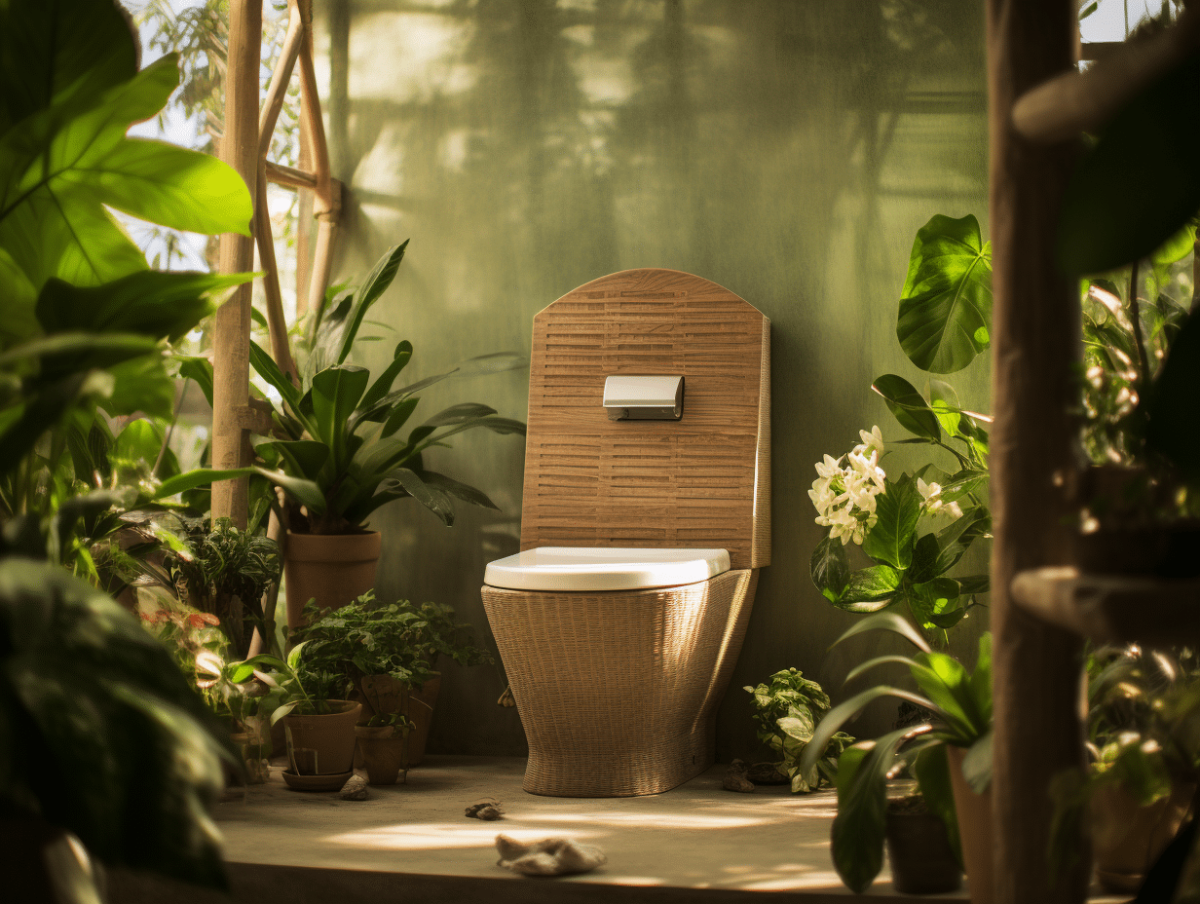
The installation of dry toilets can be straightforward, although some models require a minimum of DIY knowledge. Wooden dry toilets, valued for their aesthetics, integrate harmoniously into the habitat while respecting the environment. In practice, installation can be done independently of any plumbing system, thus facilitating the integration of dry toilets in rural areas or eco-habitats.
As for maintenance, waste management is centralized around the composter, an essential container for the composting process. Controlled bio-litter, a mixture of sawdust or straw, must be added after each use to absorb liquids and promote decomposition. This regular maintenance ensures the absence of unpleasant odors and contributes to the production of quality compost.
Organizations like Écohabitation provide valuable support for future users, offering practical advice and information on the proper functioning and maintenance of dry toilets. These recommendations are crucial for ensuring the longevity of the system and optimizing wastewater treatment without compromising user comfort.
Specialized distributors, such as LOGIS NATURE, offer a range of dry toilets suited to various needs and preferences. These retail outlets are often a wealth of information for consumers curious about eco-friendly solutions, allowing them to make an informed choice regarding dry toilets for their homes. Mastering the installation and maintenance of dry toilets is an ecological approach that fits within the perspective of a sustainable and responsible lifestyle.