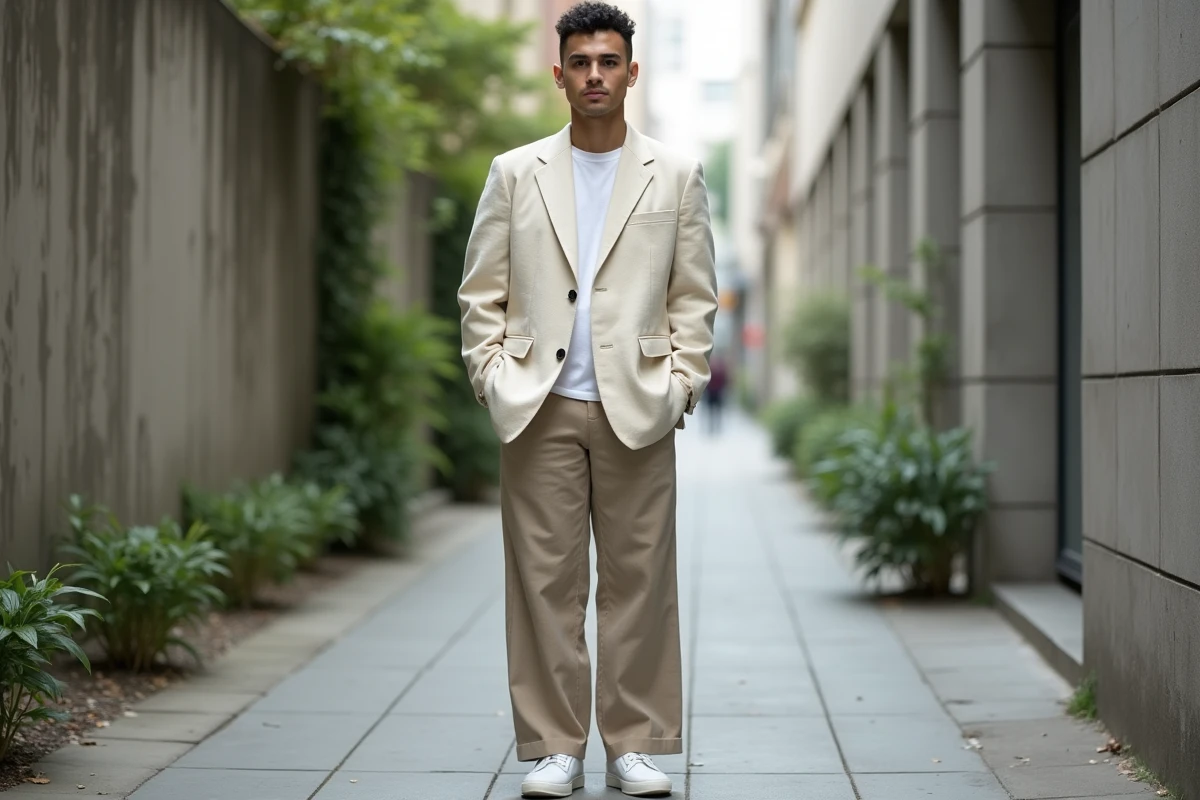
An oversized blazer worn with a pleated skirt, massive sneakers paired with a silk shirt: these combinations no longer surprise anyone on the street. Gender fluid fashion blurs the boundaries between men’s and women’s wardrobes, and this movement goes beyond a mere passing trend.
Understanding what gender fluid clothing encompasses means first grasping why the categories “men” and “women” in stores are starting to lose their relevance. Let’s see how this trend is concretely reflected in cuts, materials, and current collections.
Filters by cut rather than by gender: what is changing in the purchase of gender fluid clothing
Have you noticed that some fashion websites no longer offer a “men” or “women” filter as the first option? Since 2023-2024, several major e-commerce platforms have begun replacing these binary categories with filters based on cut, style, or body type. This evolution responds to a growing demand from Generation Z and feedback from LGBT+ associations.
This technical change may seem trivial. However, it alters the way we view clothing purchases. Searching for a straight cut rather than a “men’s pant” frees the choice from any prior assignment. The garment becomes an object defined by its shape, drape, and material, not by the presumed gender of the person wearing it.
Groups like H&M Group or Kering mention in their 2023-2024 CSR reports commitments to represent a diversity of gender identities in their campaigns and to reduce strictly binary marketing segmentation. Before building a fluid wardrobe, it may be useful to discover trends on Recommandons to spot pieces that align with this approach.
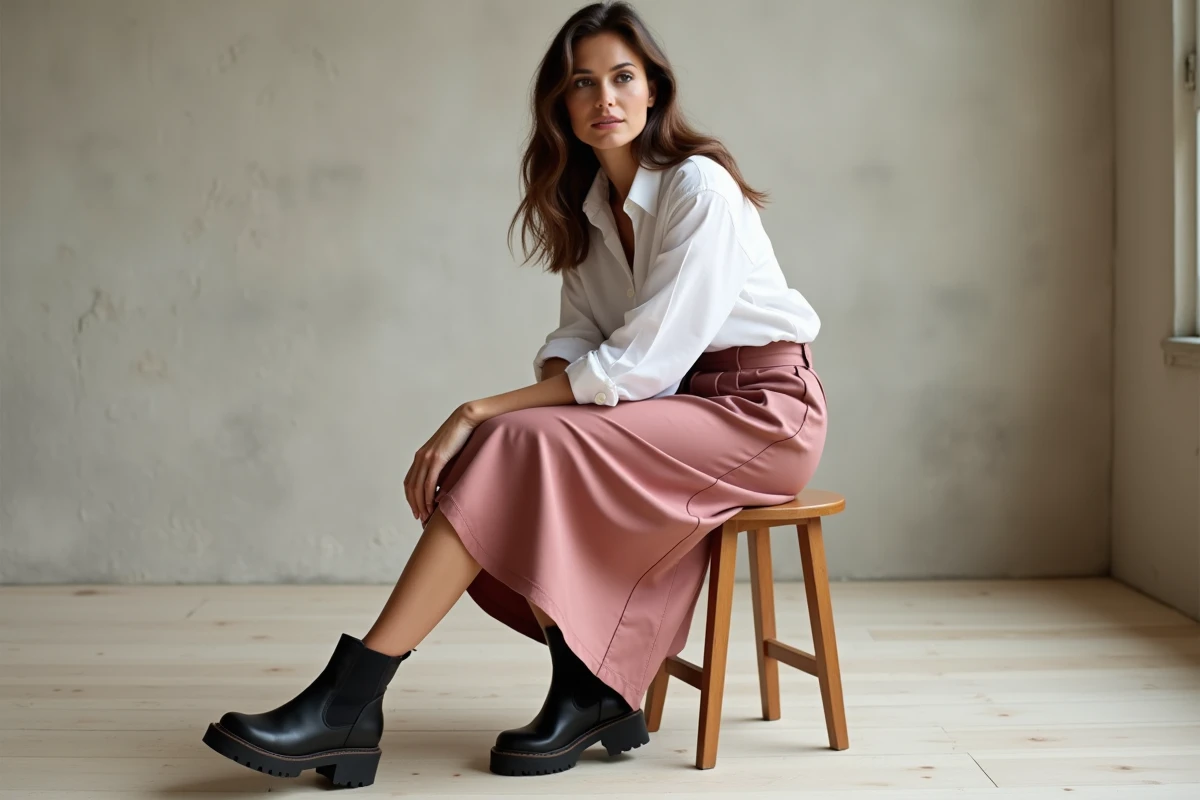
Unisex silhouettes: key pieces of a label-free wardrobe
Gender fluid fashion is not about wearing just anything. It relies on pieces whose construction allows different body types to adopt them. Several categories of clothing consistently appear in gender-neutral collections.
- The unstructured blazer with straight shoulders: neither fitted “women’s” nor boxy “men’s,” it adapts to the body without confining it to a gendered pattern. Opt for slightly oversized cuts in fluid fabric.
- The wide pleated trousers, inspired by men’s suits but reworked with an elasticated waist or soft draping. This type of cut suits all hips.
- The poplin or silk shirt with a simple collar, worn tucked or flowing. The choice of fabric (matte or satin) directs the style more than the section in which it was purchased.
- The boxy t-shirt, cut straight with dropped armholes. This basic piece erases the distinction of sections and can be worn layered.
The idea that runs through these pieces: the cut takes precedence over the commercial category. A well-tailored suit has no gender. A straight dress doesn’t either, as long as the construction allows it.
Gender fluid fashion and haute couture: when Paris runways redefine the codes
Parisian haute couture has played a direct role in the visibility of genderless fashion. Jean Paul Gaultier was already offering skirts for men in the 1990s. Today, designers like Ludovic de Saint Sernin blur the lines between men’s and women’s wardrobes with each collection presented in Paris.
What has changed is that gender fluidity is no longer limited to capsule collections or conceptual runways. Gender-neutral pieces are now integrated into main lines. Luxury brands like Calvin Klein have produced perfumes and entire collections positioned in the unisex niche, helping to normalize the approach among a broad audience.
On the runways, a dress worn by a male model no longer causes scandal. It generates orders. The price of these haute couture pieces remains high, but their influence seeps into accessible collections within a few seasons. The cuts seen at Paris Fashion Week are found in mainstream brands as fluid blazers, midi skirts, and open-collar shirts.
From the runway to everyday life: how to adapt these codes
Wearing a gender fluid style daily does not require a couture budget. Start with one piece: a men’s blazer worn over fluid trousers, or an oversized silk shirt over straight jeans. Mixing a coded masculine piece with a coded feminine piece creates the desired visual tension.
The gender fluid wardrobe works through gradual accumulation. There’s no need to change everything at once. Add a chunky ring, a structured bag typically associated with another section, or opt for colors you wouldn’t have considered (powder pink on a suit, raw black on a pleated skirt).

Building a sustainable gender fluid style: materials and responsible approach
The question of sustainability naturally accompanies genderless fashion. A garment designed without gender assignment is meant to be worn by multiple people, or even to circulate within a household. This logic favors timeless pieces rather than impulsive purchases tied to a seasonal trend.
The “Union of Equality LGBTIQ 2020-2025” strategy of the European Commission has been integrated into the CSR roadmaps of several fashion groups between 2022 and 2025. Some companies now use internal indicators of “gender non-stereotyping” in their product lines, alongside diversity indicators.
- Favor durable fabrics (thick cotton, linen, merino wool) that age without deforming, regardless of body type.
- Check the brand’s commitments to gender diversity in its campaigns and catalog.
- A well-chosen gender fluid garment lasts longer than a trendy gendered piece, because it does not go out of style with the seasonal male/female cycle.
Gender fluid fashion redraws the contours of the wardrobe without erasing them. It offers a framework where cut, material, and personal style replace labels. Current collections, from haute couture to accessible brands, confirm that this movement is becoming ingrained in shopping habits well beyond a mere militant gesture.