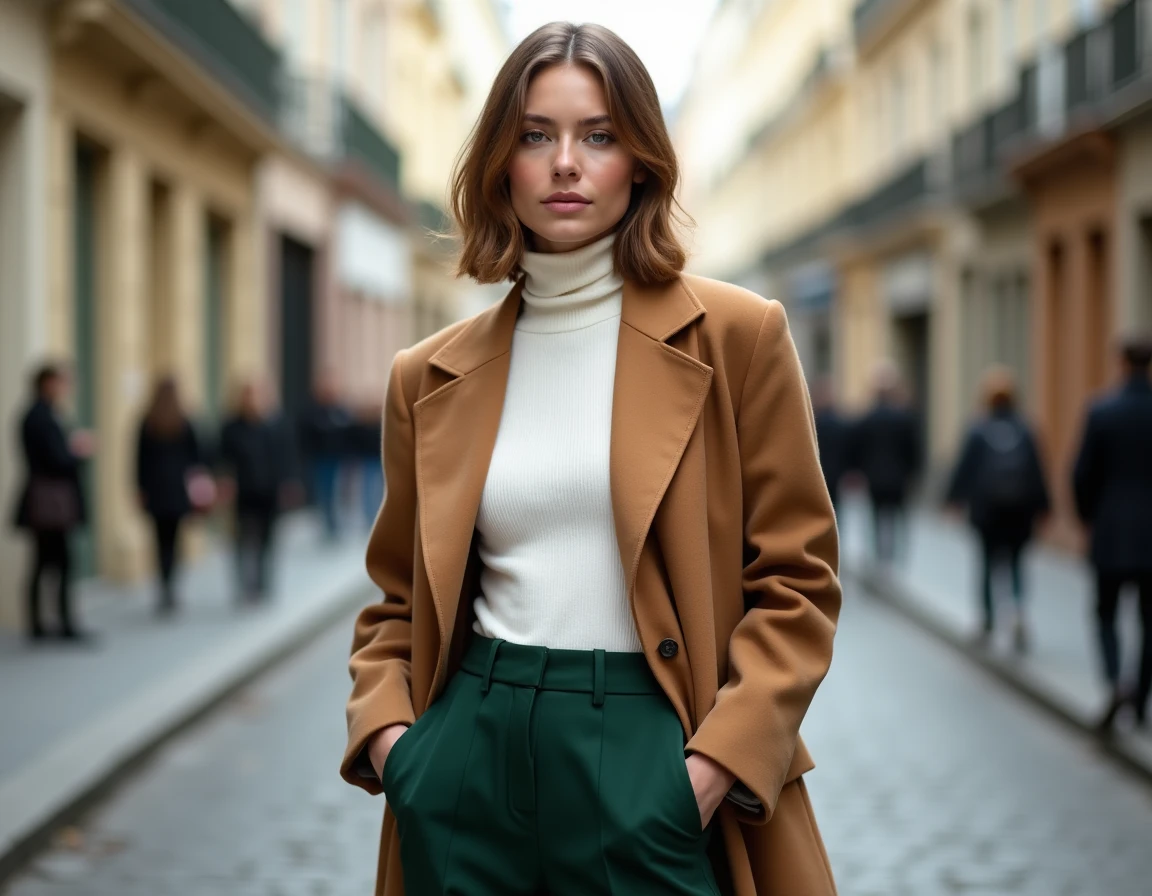
The spring-summer 2026 fashion shows have presented their proposals, social media amplifies certain silhouettes, and resale platforms are seeing increased search volumes for pieces that are far from new. The fashion market is going through a period where the very notion of trend is fragmenting: what performs commercially no longer always corresponds to what circulates on the runways.
Archive Pieces and Resale: Unique Style is Built Backwards
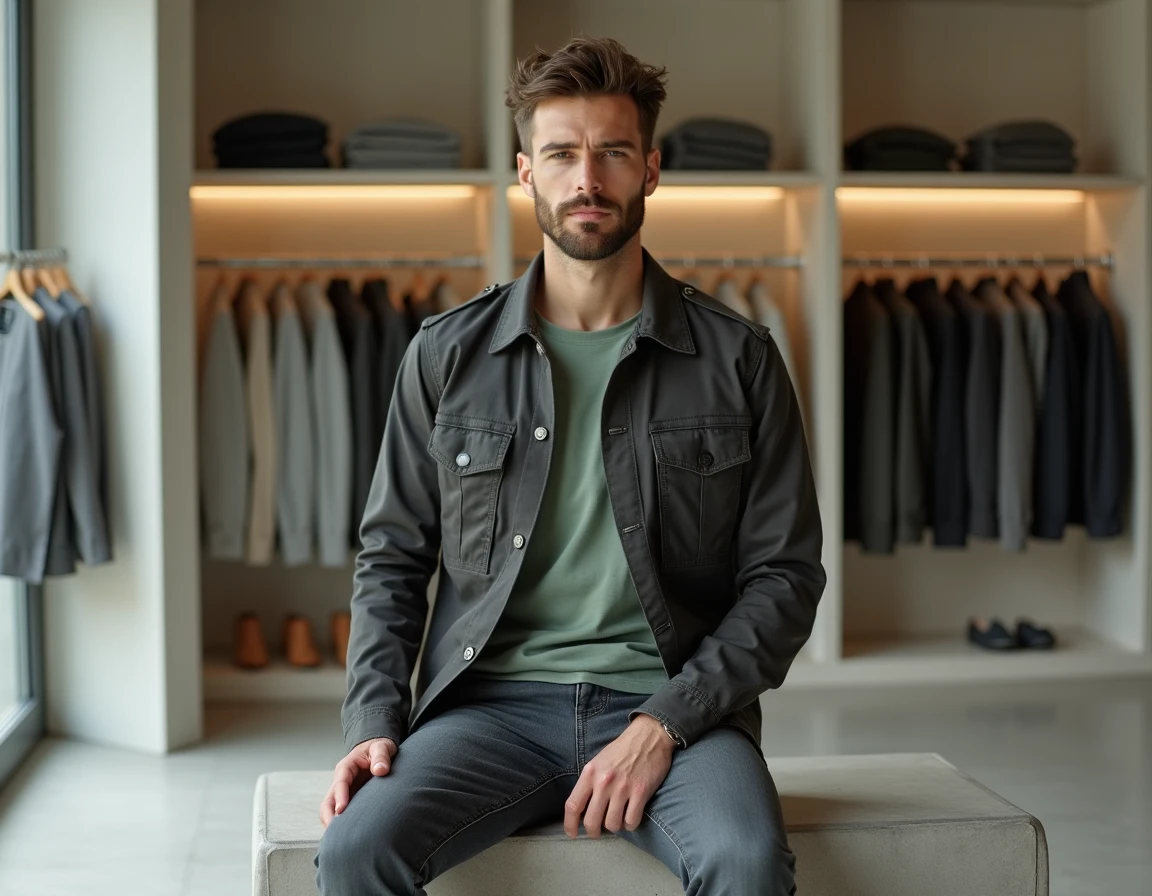
Vestiaire Collective documented in its “Luxury Resale Report 2023” a significant increase in sales of archived pieces, meaning past collections from designers being reintroduced to the market. Vinted and Depop confirm the same trend in more accessible price ranges.
This movement changes the logic of purchasing. Searching for a jacket from a 2012 Margiela collection or a Fendi bag from the 2000s is no longer just nostalgic vintage. It has become a reflex of differentiation for those who want to escape the identical wardrobes generated by seasonal drops. This type of documented approach can regularly be found on the fashion section of Bango’s blog, where looks blend current pieces with second-hand finds.
Field reports diverge on one point: the actual quality of these second-hand pieces varies greatly depending on the channels. A branded dress resold on an authenticated luxury platform does not offer the same guarantees as a purchase from a local second-hand sale. Sorting remains manual, and the time invested is part of the price.
Ephemeral Fashion Trends vs. Sustainable Aesthetics: Where to Draw the Line
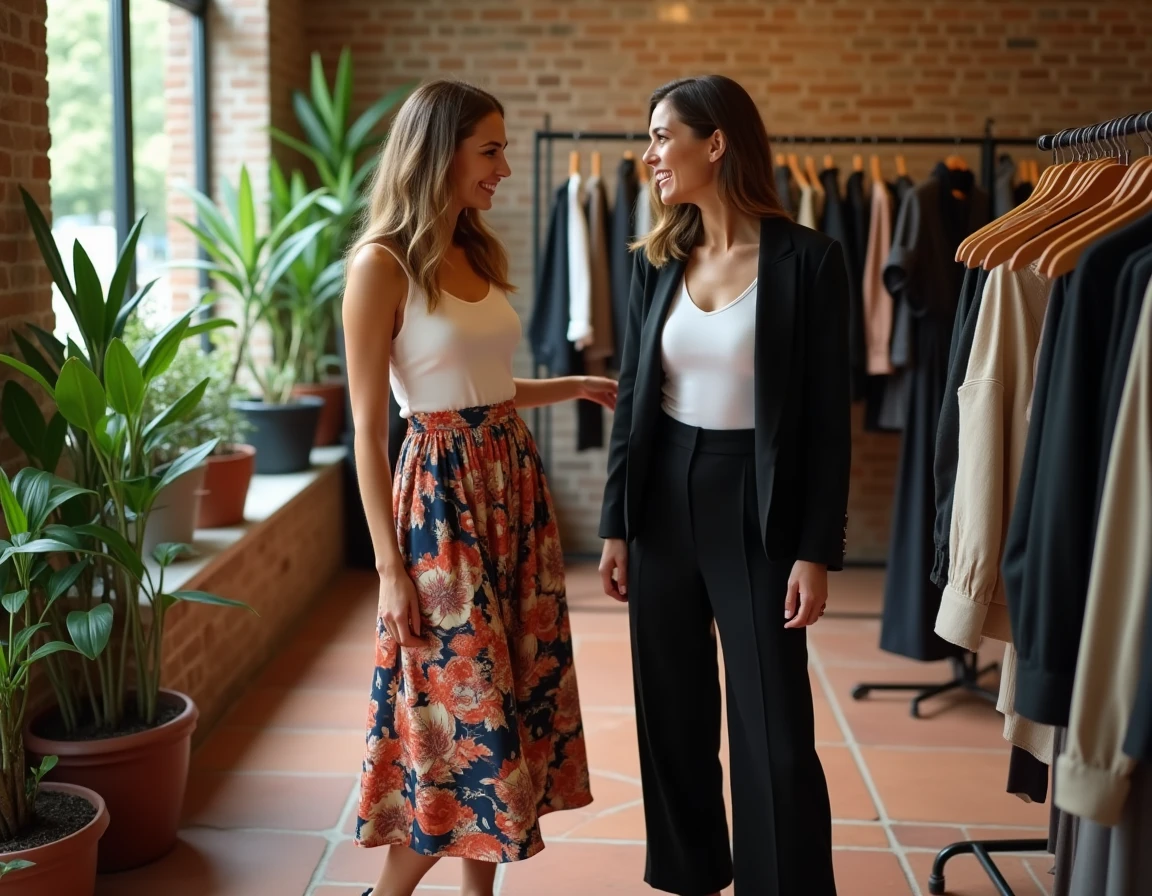
Pinterest Predicts 2024 highlighted a rise in searches around “eclectic style” and the mix and match of patterns among 18-34 year-olds. This data reflects an appetite for personal silhouettes, far from the uniform lists of “must-have pieces.”
In contrast, the spring-summer 2026 shows continue to present very specific pieces (harem pants, bloomers, slip dresses) whose lifespan in a wardrobe remains uncertain. The gap between what brands push and what consumers are actually looking for is widening.
What Online Searches Reveal About Real Choices
The most searched keywords revolve around “unique style,” “personalized looks,” and “versatile wardrobe.” Queries related to sneakers, accessories, and modular outfits dominate, far more than the names of ephemeral pieces seen on the runway.
This suggests a shift: the consumer builds their style through assembly rather than by acquiring new items. A pair of raw jeans paired with a thrifted oversized jacket and white sneakers creates a look that no one else is wearing, without the need to buy the latest viral piece.
Micro-Creators and Street Style: The New Sources of Fashion Inspiration
The French Institute of Fashion (IFM) emphasized in 2023 that consumers are increasingly inspired by micro-creators on TikTok and Instagram and everyday looks (street style, real outfits shared in stories) rather than traditional advertising campaigns.
This transfer of influence has concrete consequences on clothing choices. When a creator with a few thousand followers shows how she wears a local artisanal piece with a basic from a mass retailer, she creates a different ripple effect than a brand campaign. The garment is no longer presented as an object to desire, but as part of a personal narrative.
- Looks shared in real contexts (transport, office, market) generate more saves than studio photos, according to engagement trends observed on these platforms.
- Artisanal pieces or local designer items gain visibility through these channels, even as they remain absent from traditional distribution circuits.
- The short video format (under 60 seconds) allows for showcasing the drape, movement, and combinations of an outfit, which a photo alone cannot convey.
Sustainability and Authenticity: What Successful Brands Have Understood
The report “The State of Fashion 2024” by McKinsey and Business of Fashion identifies a clear differentiating factor: performing brands focus on sustainability, inclusivity, and narrative authenticity. This is no longer a peripheral marketing argument, but a documented lever for growth and loyalty since 2023.
This framework directly influences the fashion trends to adopt. Choosing a piece is no longer just a matter of cut or color. The origin of the fabric, the conditions of production, and the coherence of the brand’s narrative weigh in the purchasing decision, especially among those under 35.
Building a Wardrobe That Lasts Without Sacrificing Style
Several avenues are emerging for those who want to reconcile trends and longevity:
- Favor accessories (bags, jewelry, belts) to refresh outfits without buying entire new clothes. The same set of basics changes radically depending on the accessories paired with it.
- Invest in materials that age well (linen, wool, vegetable-tanned leather) rather than in low-cost synthetic fabrics whose appearance deteriorates after a few washes.
- Reserve the “pure trend” budget for one or two pieces per season, chosen for their ability to integrate into the existing wardrobe, rather than for their novelty alone.
The available data does not allow for precise measurement of how many consumers are already applying this logic. However, the signals converge: the growth of the resale market, the popularity of “capsule wardrobe” content, and the declining interest in fast fashion in survey responses all point in the same direction.
A unique style is not decreed by purchasing a list of pieces. It is crafted through repeated, often modest choices: keeping what works, adding what is missing, ignoring what does not fit into real life. The most useful trends are those that help refine this sorting, not those that reignite the buying cycle.