Proper tire maintenance is essential to ensure the safety of everyone during your trips. But did you know that there are also simple ways to extend their lifespan? Indeed, according to the lifespan of tires, they should be replaced approximately every 60,000 to 80,000 km traveled or every 5 years – whichever comes first – but these figures do not represent an absolute rule, and it is possible to extend these intervals with the right habits that we will describe further on.
Check tire pressure regularly
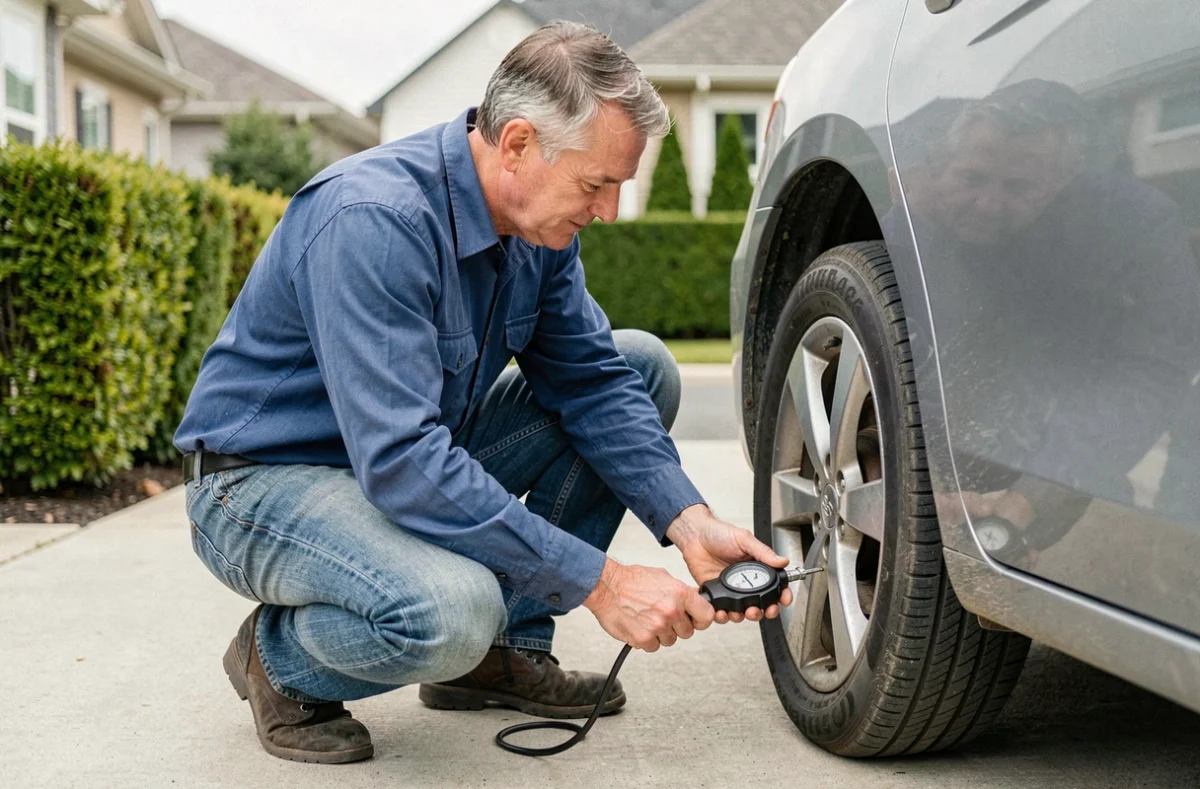
One of the easiest and most effective ways to prolong the life of a tire is to check its pressure regularly. Tire pressure has a direct impact on their performance, safety, and durability. Insufficient or excessive pressure can cause uneven tire wear, leading to deformation and significantly harming their grip on the road. Difficult road conditions as well as frequent use will also lead to abnormal wear if the wheels are not properly inflated and maintained at the correct pressure.
Most manufacturers recommend that owners check tire pressure approximately every month. It is imperative to perform this operation when your car is cold (preferably before it has been driven too much). You can find the exact specifications for each type of tire in the owner’s manual or on the outer edge of the product so you can adjust the air according to the recommendations provided by your car manufacturer or original supplier: generally between 1.6 bars (23 PSI) and 2.3 bars (33 PSI).
Even though it seems simple, this measure can significantly optimize your driving and ensure better protection against certain accidents related to technical issues to preserve the longevity of the affected units. It will also help gradually cushion the impact on the asphalt, creating a silent effect that significantly enhances your physical condition.
Replace worn tires on time
Tires are one of the most important components of your vehicle. You should not take the responsibility of prolonging their lifespan lightly, as poor management can lead to dangerous and costly accidents.
Replacing worn tires on time is essential to ensure your safety and that of others on the roads, and to save time and money by significantly reducing the risk of damaging your car or even other pedestrians or drivers. But how do you know when it’s time to replace your tires? There are several indicators that can help determine if your tires need to be changed, for example:
Tread depth – Tread ensures that your grip on all kinds of road surfaces remains good, regardless of weather conditions.
Regularly rotate the tires
Tires are one of the most important elements of a car and play a vital role in driving, safety, and efficiency. An important part of prolonging tire life is their regular rotation, which helps maintain even wear across all tires.
Tire rotation involves moving each wheel to a different position so that each receives balanced pressure and is exposed to abrasion at the same level. This allows all four tires to wear evenly and ensures optimal grip on the road as well as better maneuverability of the vehicle. Thus, this practice prevents unnecessary load accumulation on certain sides or corners of the outer edge, which would otherwise lead to rapid rubber damage.
The ideal time to rotate the tires is after driving 6,000 km or whenever your car undergoes regular maintenance such as an oil change. It is advisable to always rotate all four wheels (front/rear) as they all experience their own individual levels of abrasion caused by various factors such as: types of roads traveled, accidental impacts, etc. A bonus can be achieved if one focuses primarily on those located at the front; as they often require additional attention due to their more frequent wear.